
 By Weltrix
The success of any clinical trial depends on the quality, accuracy, and reliability of its data. This is where Biometrics for clinical trials becomes an important factor in modern pharmaceutical reform. From trial design and fact sequencing to statistical analysis and regulatory submissions, biometrics ensures that clinical trials provide honest evidence that supports regulatory approval and informed choice.
As clinical trials become more complex, sponsors are increasingly tying more closely with specialized clinical biometric CROs to improve performance, reduce risk, and speed up timelines Access to advanced generation, skilled biostatisticians, and regulatory information helps biometric teams translate information into unfashionable clinical trials to engage in critical insight,
What Is Biometrics for Clinical Trials?
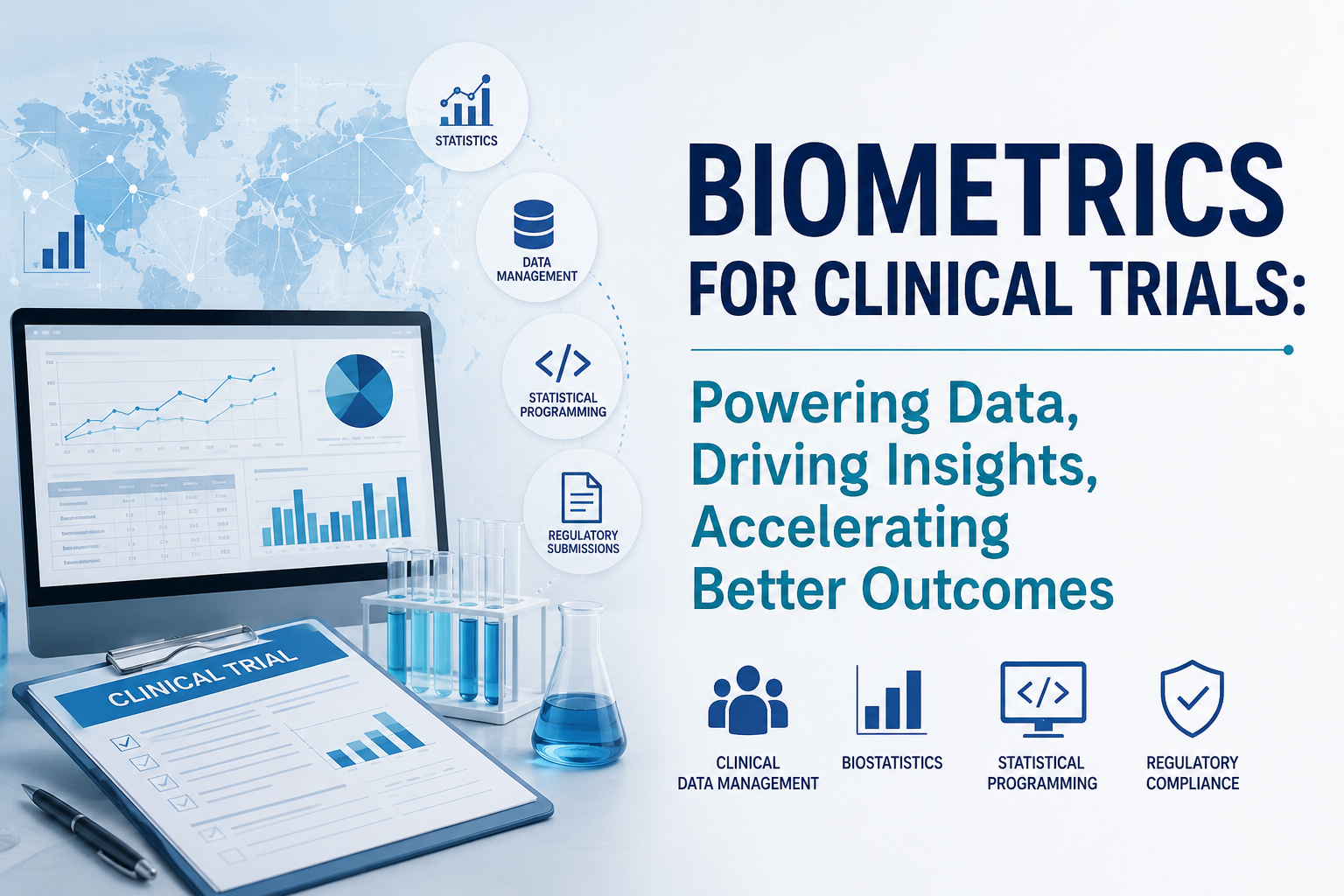
Biometrics for clinical trials, in turn, refers to clinicians who manipulate, examine, and validate scientific research information. It combines scientific statistical management, biological statistical management, statistical programming, and regulatory compliance to ensure that every record collected during the trial period is accurate, traceable, and submission-ready .
Key biometrics functions include:
- Clinical Data Management (CDM)
- Biostatistics and Statistical Analysis
- Statistical Programming
- CDISC Standards Implementation
- SDTM and ADaM Dataset Development
- Regulatory Submission Support
- Quality Control and Validation
Together, these services create a strong foundation for successful clinical research and regulatory approval.
Why Is Biometrics for Clinical Trials Important?
Clinical trials generate massive amounts of patient data. Without proper management and analysis, this information can become inconsistent, incomplete, or difficult for regulators to review.
Biometrics for Clinical Trials helps organizations:
- Improve data quality and integrity
- Reduce database lock timelines
- Ensure regulatory compliance
- Minimize data-related risks
- Support faster regulatory reviews
- Enhance confidence in study results
High-quality biometrics processes help sponsors avoid costly delays and improve the overall efficiency of clinical development programs.
How a Clinical Biometrics CRO Supports Clinical Trial Success
A CRO based on clinical biometrics presents specialized knowledge that many drug, biotech and medical device groups need to handle complex medical research.
1. Clinical Data Management
Data management teams collect, cleanse, validate, and preserve scientific experimental data in the context of a one-time view of its lifecycle. This ensures that the information is still accurate, complete, and ready for analysis.
2. Biostatistics Services
Biostatisticians assist with study design, sample size calculations, endpoint definition, and the development of robust statistical analysis plans. Through Biostatistics Services for Clinical Research, they help ensure that clinical trial results are scientifically valid, reliable, and aligned with regulatory expectations.
3. Statistical Programming
Statistical programmers create SDTM data sets, ADaM data sets and the tables, records and figures (TLF) needed for regulatory submissions.
4. Regulatory Submission Support
Biometrics teams prepare submission-ready deliverables that meet regulatory requirements from agencies such as the FDA, EMA, and other global health authorities.
How Global Biometrics Services Improve Clinical Trial Efficiency
Modern medical research usually involves two nations, locations, and populations of affected individuals. Managing records across global research requires standardized processes and scalable sources.
Comprehensive Global Biometrics Services help sponsors:
- Standardize data across regions
- Maintain consistent quality standards
- Improve collaboration between teams
- Accelerate database lock and analysis
- Support global regulatory submissions
- Ensure compliance with industry standards
By leveraging global expertise, organizations can conduct more efficient and cost-effective clinical trials.
What Does a Full-Service Biometrics Provider Offer?
A Full-Service Biometrics Provider delivers end-to-end biometrics support throughout the clinical development lifecycle.
These services typically include:
- Clinical Data Management
- Medical Coding
- Biostatistics
- Statistical Programming
- CDISC Implementation
- Data Validation
- Quality Assurance
- Regulatory Submission Support
- Inspection Readiness Services
Working with a single biometrics partner helps streamline workflows, improve communication, and reduce operational complexity.
Frequently Asked Questions About Biometrics for Clinical Trials
Q. What is the primary purpose of Biometrics for Clinical Trials?
The primary purpose is to ensure that clinical trial data is accurate, reliable, and suitable for regulatory review and scientific decision-making.
Q. Why do sponsors outsource biometrics services?
Sponsors often partner with a Clinical Biometrics CRO to access specialized expertise, reduce operational burdens, and accelerate clinical development timelines.
Q. How does biometrics support regulatory approvals?
Biometrics ensures data quality, compliance with CDISC standards, and preparation of submission-ready datasets, helping regulators review clinical evidence more efficiently.
Q. What are Global Biometrics Services?
Global Biometrics Services provide integrated data management, biostatistics, statistical programming, and regulatory support for multinational clinical trials.
Q. What should companies look for in a Full-Service Biometrics Provider?
Organizations should evaluate experience, regulatory expertise, technology capabilities, quality processes, therapeutic knowledge, and global delivery capacity.
The Future of Biometrics for Clinical Trials
As clinical research continues to evolve, Biometrics for Clinical Trials is becoming increasingly data-driven and technology-enabled. Artificial intelligence, advanced analytics, risk-based monitoring, and automation are helping sponsors improve efficiency while maintaining high standards of quality and compliance.
Organizations that invest in robust biometrics strategies are better positioned to accelerate development timelines, improve decision-making, and achieve successful regulatory outcomes.
Conclusion
Biometrics for Clinical Trials is the foundation of reliable clinical research and successful regulatory submissions. By ensuring data integrity, statistical accuracy, and compliance with global standards, biometrics helps sponsors reduce risk and improve trial efficiency. Whether through a specialized Clinical Biometrics CRO, comprehensive Global Biometrics Services, or a trusted Full-Service Biometrics Provider, investing in high-quality biometrics support can significantly enhance clinical trial success and accelerate the path to regulatory approval.
Leave A Comment