
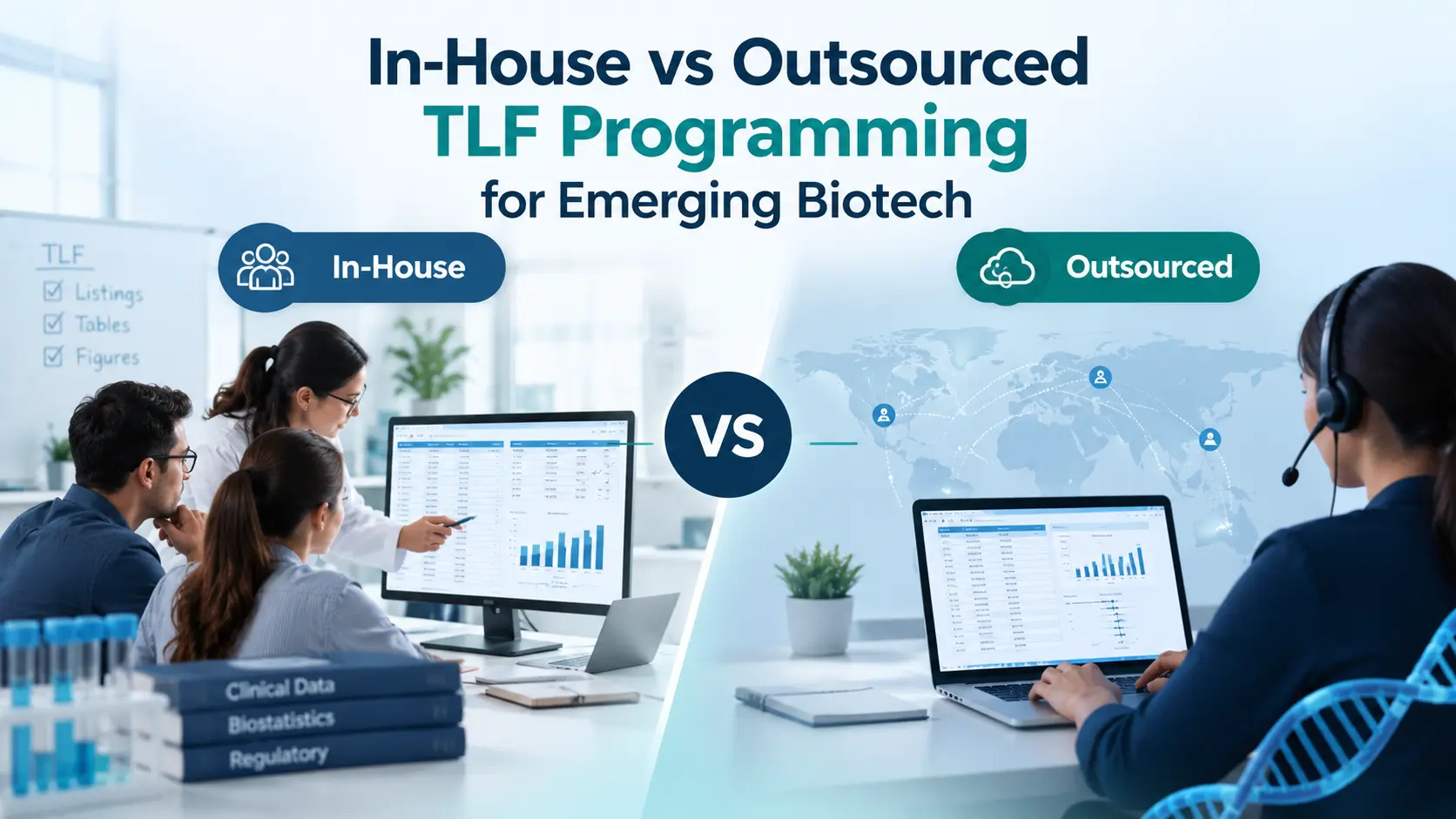
A small biotech is 8 weeks away from a Phase II read-out. The SAP is signed. Data management is in the process of resolving the final open queries. No one has started working on the table shells because the single SAS programmer the company hired left in April, and the job advertisement remains online. Therefore, […]
Blog

Blog
Biometrics CRO Pricing Models: What Sponsors Are Actually Paying For
By Weltrix
- October 5, 2026
Two biometrics proposals land in the same week for the same Phase II study. One is noticeably cheaper. Read them side by side and the gap starts to explain itself. The cheaper bid assumes one interim analysis instead of two. It prices tables, listings, and figures as a flat count with no distinction between unique […]
Blog
What a Biostatistics Partner Should Own Before Your Study Even Starts
- October 5, 2026
The statistician sees the protocol for the first time six months after first patient in. The primary endpoint reads “change from baseline in the symptom score.” There’s no visit window. The eCRF records whether rescue medication was used but not when, so there’s no clean way to handle patients who took it before the primary […]
Blog
Soft Lock vs. Hard Lock: What Sponsors Should Ask Before Database Lock Sign-Off
- September 30, 2026
The sign-off form usually arrives late on a Thursday. It has a study number, a line saying the data are complete and accurate, and a space for your signature. Most sponsors sign it. Few ask what, exactly, they’re attesting to. That signature is the last point where a correction costs you a query instead of […]
Blog
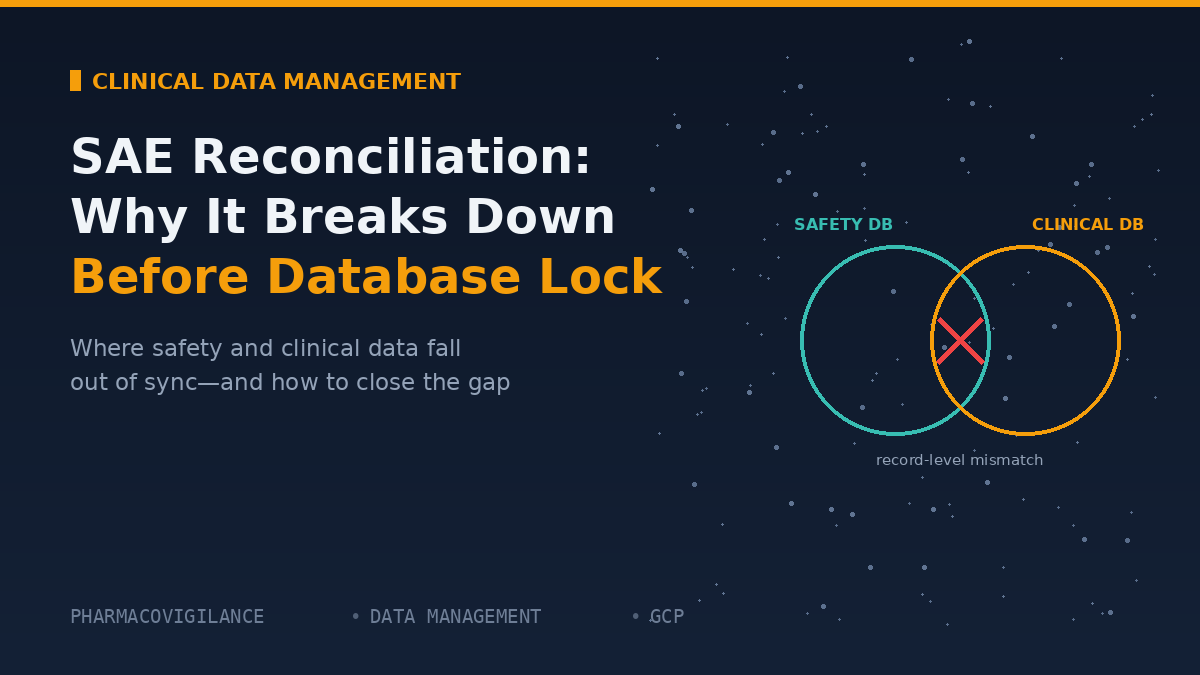
SAE Reconciliation: Why It Breaks Down Before Database Lock (and How to Fix It)
- September 29, 2026
Three weeks before a planned database lock, someone finally runs the comparison listing. The clinical database shows 47 serious adverse events. The safety database shows 44. Two of the gaps are events a site downgraded to non-serious months ago without telling pharmacovigilance. The third is a hospitalization that was emailed to the safety desk and […]
Blog
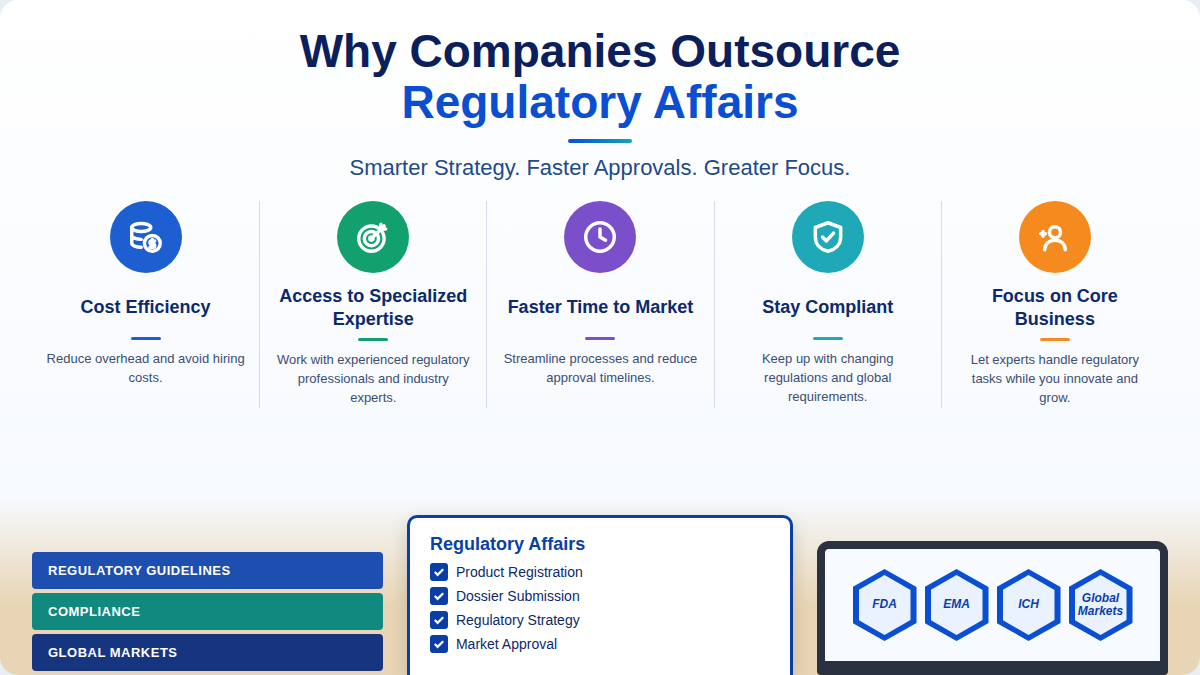
Why Companies Outsource Regulatory Affairs
- September 29, 2026
Companies outsource regulatory affairs for a handful of practical reasons. It turns a fixed cost into a variable one. It gives them expertise that would take years to build in-house. It helps them avoid submission mistakes that restart the review clock. It lets them handle workload swings, and it keeps their own people focused on […]
Blog
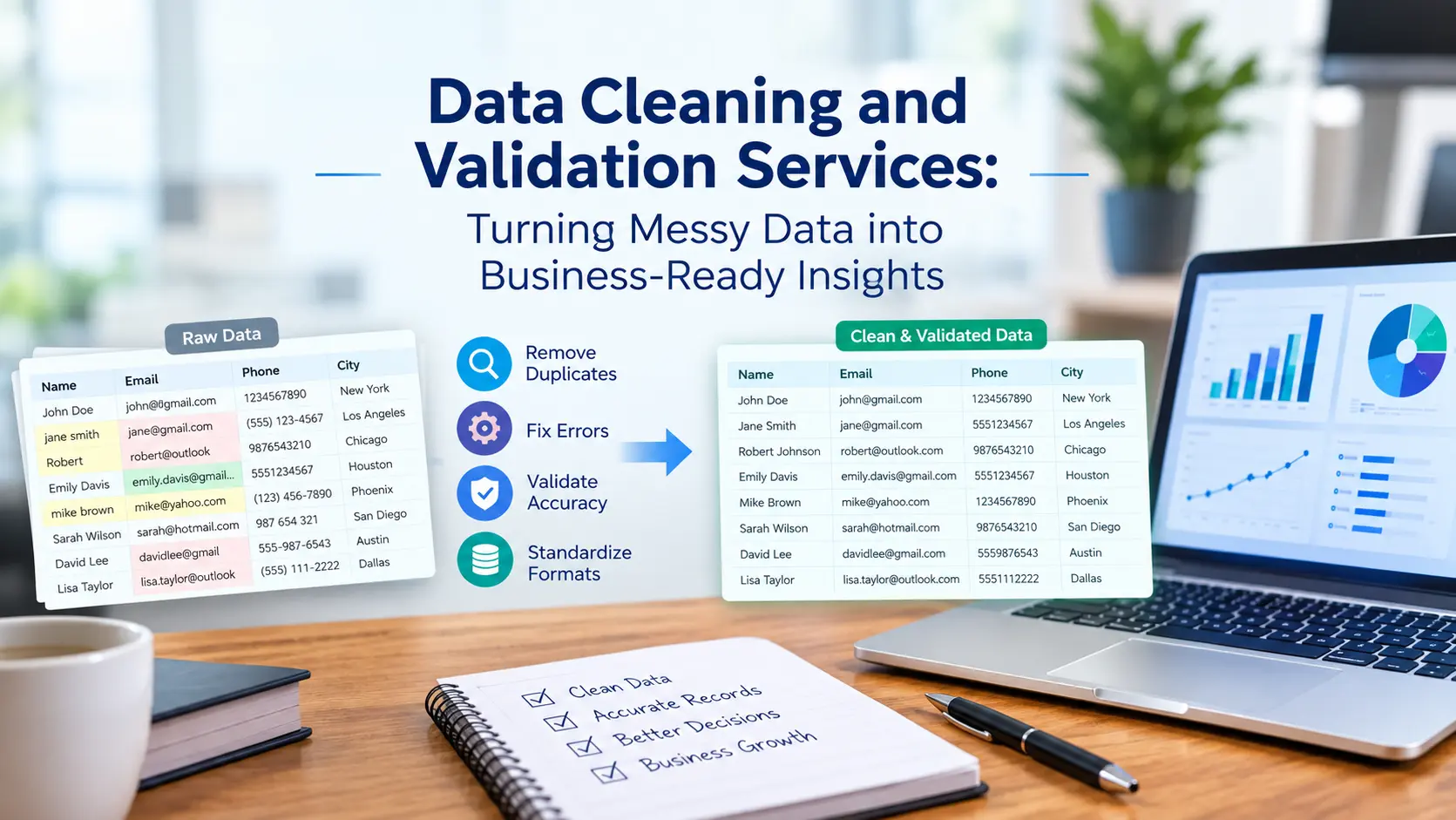
Data Cleaning and Validation Services: Turning Messy Data into Business-Ready Insights
- September 28, 2026
Most teams do not discover a data quality problem. They discover a wrong answer, then trace it backwards. The forecast misses. A model trained on twelve months of records returns a recommendation nobody can reproduce. The dataset looked fine in the dashboard, because dashboards render whatever they are handed. Data cleaning and validation services exist […]
Blog
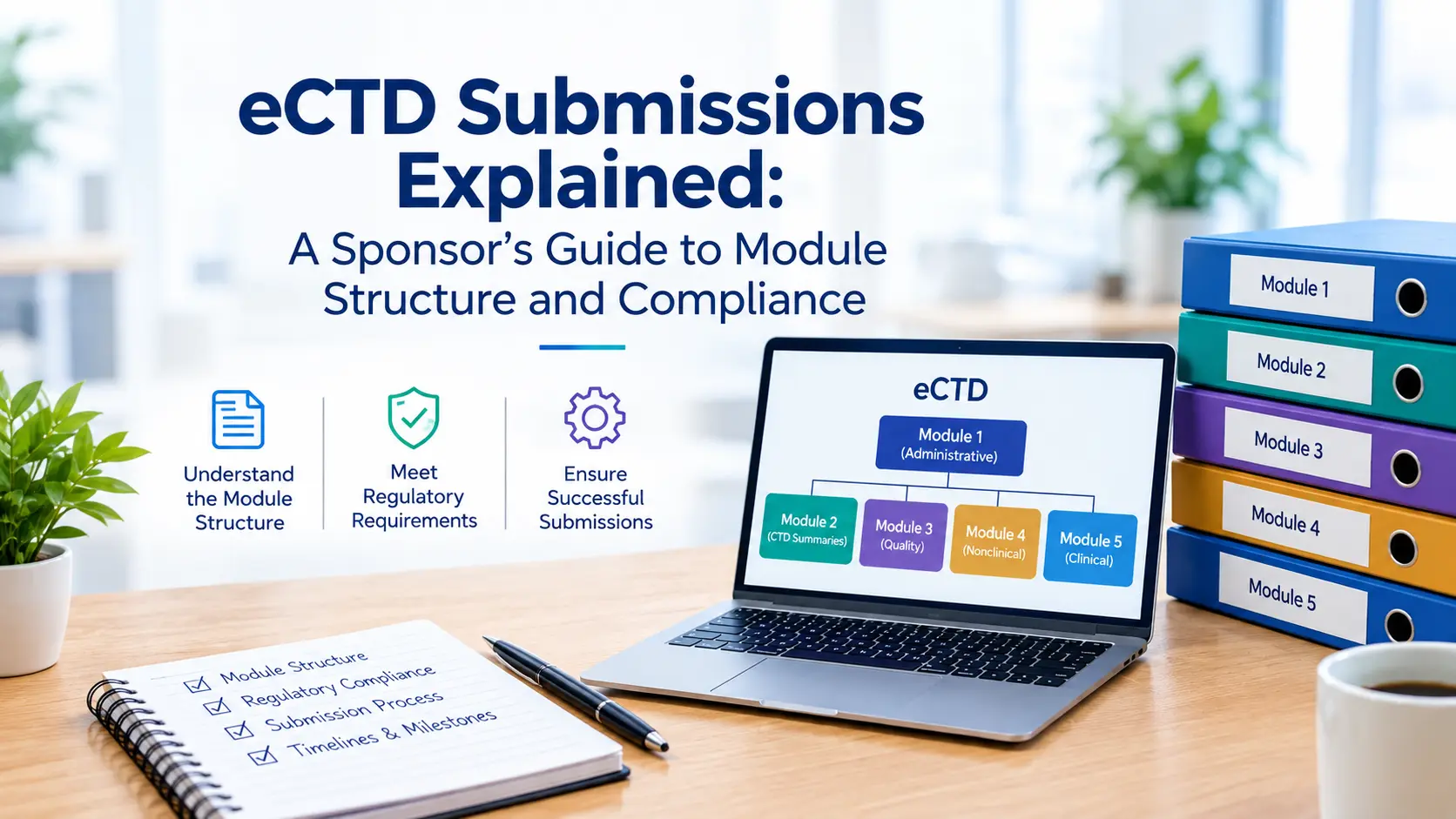
eCTD Submissions Explained: A Sponsor’s Guide to Module Structure and Compliance
- September 28, 2026
Your submission can fail before a reviewer opens a single document. When a package reaches FDA’s Electronic Submissions Gateway, an automated validation pass runs against it. If a required dataset is missing from Module 5, the gateway returns a rejection acknowledgement and the science inside never gets read. Publishing feels like a formatting step. It […]
Blog
What Are Adaptive Trial Statistics? Benefits, Methods, and Applications
- August 13, 2026
A trial designed in year one doesn’t have to run exactly the same way in year three. That premise sits underneath adaptive design as a whole. Fixed trials lock their structure before the first patient enrolls, and that structure holds until the last one exits, whether or not the interim data is practically begging for […]
Blog
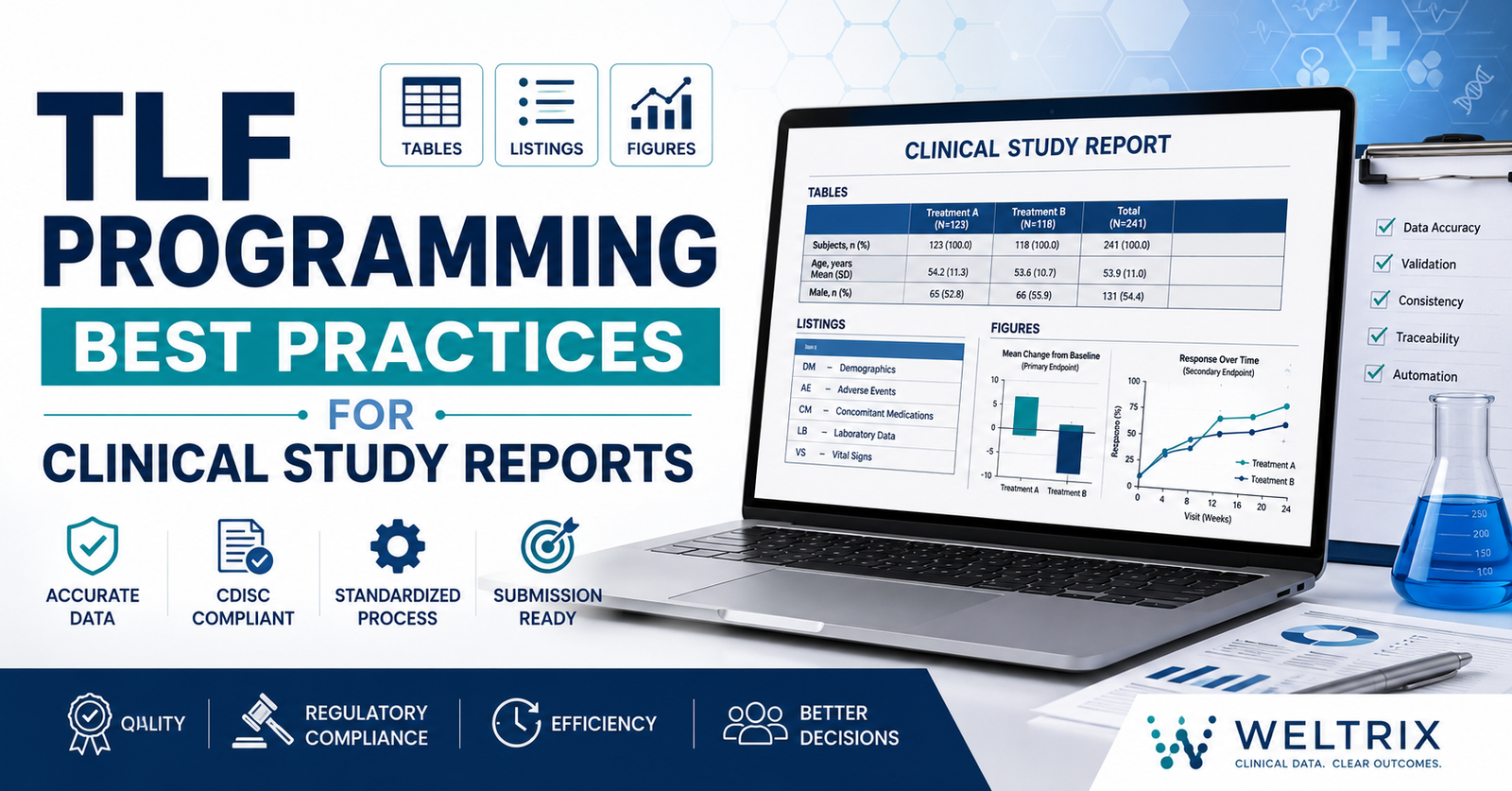
TLF Programming Best Practices for Clinical Study Reports
- July 29, 2026
There are three aspects to getting your TLF programming right in any TLF clinical trial, you need locked-in statistical plans, repeatable templates, and hard independent verification. Phase III trials routinely throw up 200 to 500 distinct tables, listings, and figures. If validation is your afterthought, late-stage re-work will be your reality. Sponsors that integrate these […]