
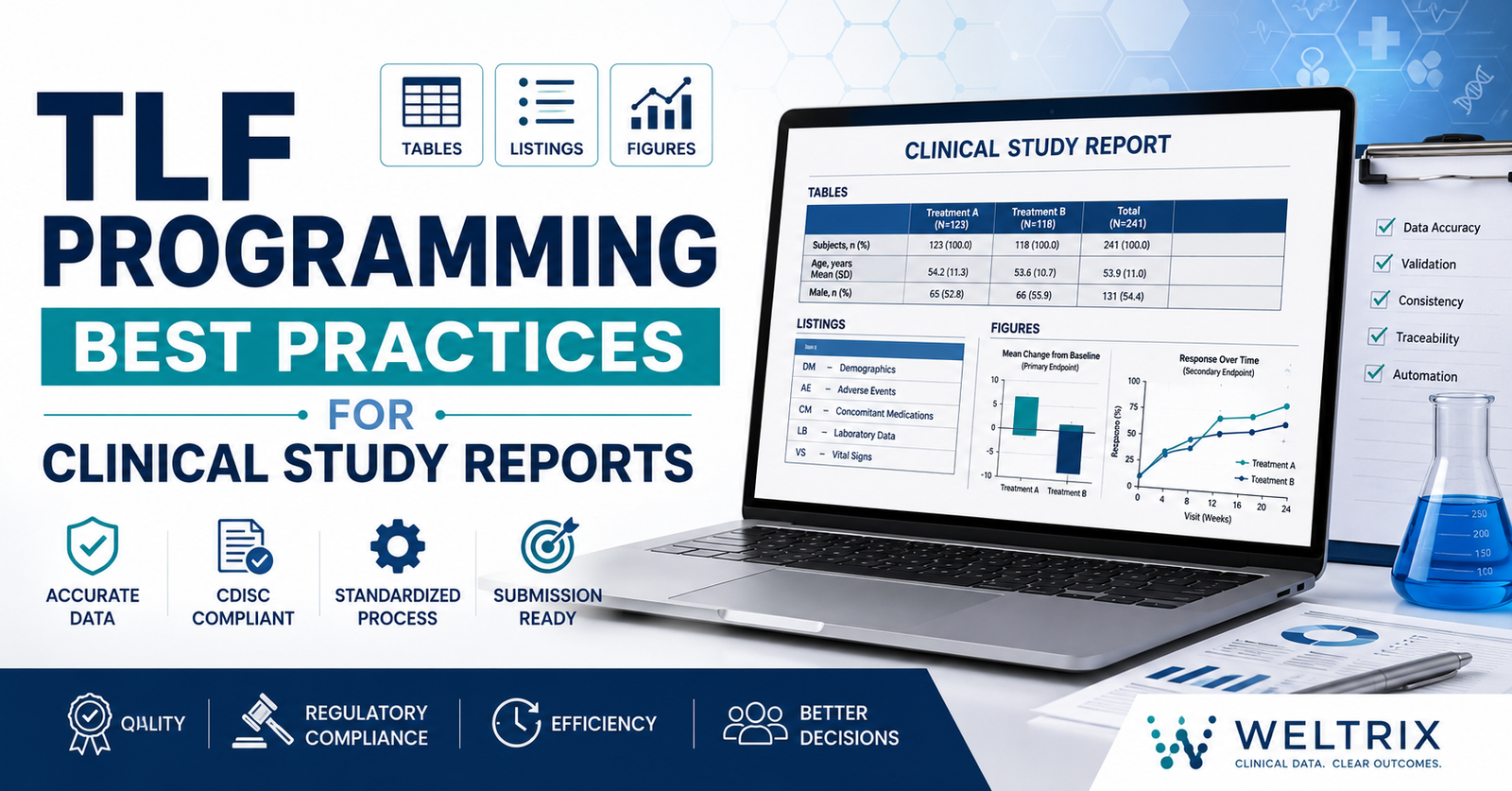
There are three aspects to getting your TLF programming right in any TLF clinical trial, you need locked-in statistical plans, repeatable templates, and hard independent verification. Phase III trials routinely throw up 200 to 500 distinct tables, listings, and figures. If validation is your afterthought, late-stage re-work will be your reality. Sponsors that integrate these […]
Blog Classic
Blog
AI-Powered Clinical Data Management: Benefits, Risks, and Future Trends
By Weltrix
- July 21, 2026
AI-powered clinical data management is transforming how pharmaceutical companies, contract research organizations (CROs), and healthcare institutions collect, process, validate, and analyze data across clinical trials. As the volume and complexity of clinical research data grow exponentially, artificial intelligence is no longer a futuristic concept — it is an operational necessity. This guide explores what AI […]
Blog
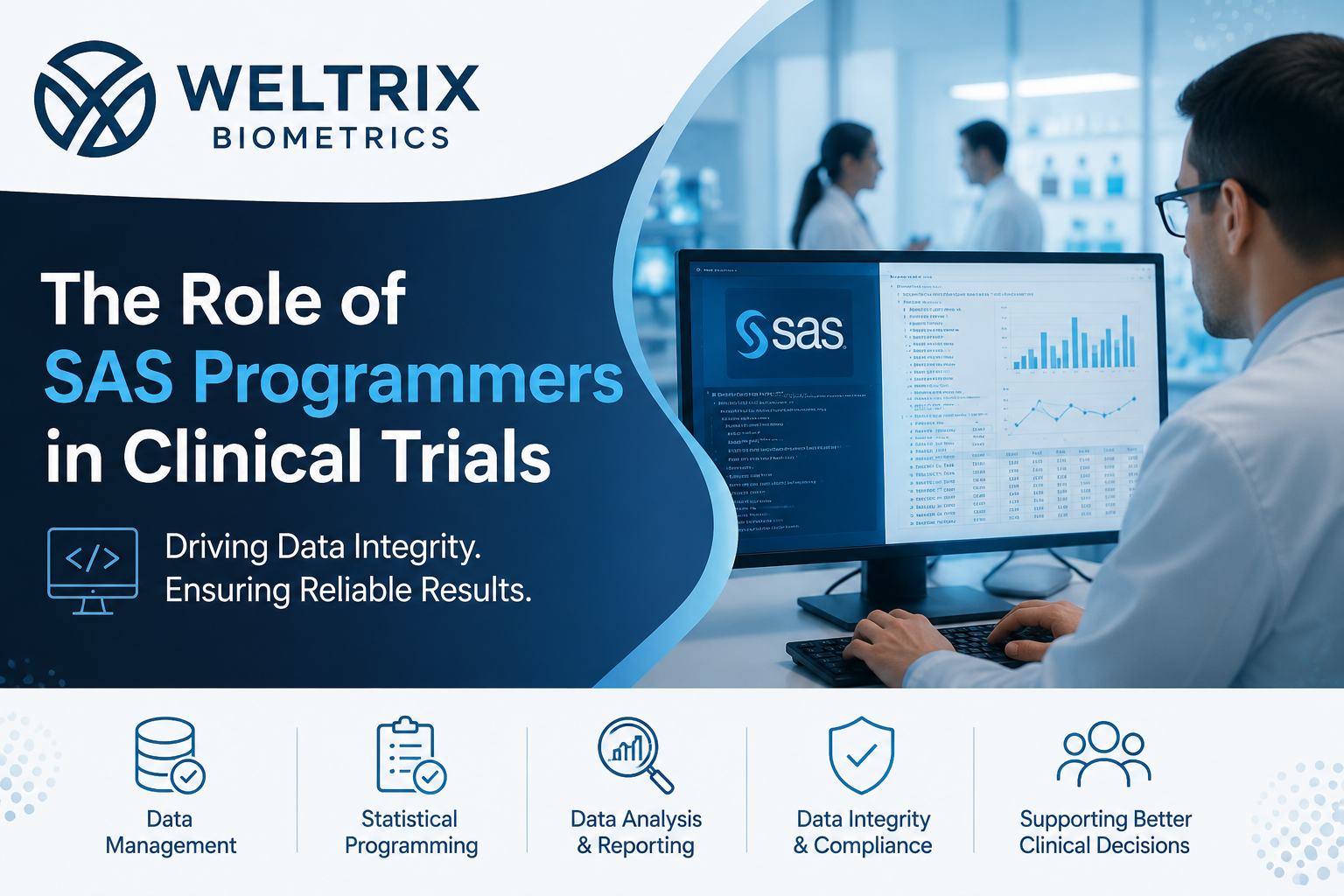
The Role of SAS Programmers in Clinical Trials
- July 13, 2026
In clinical trials, a SAS programmer observes undigested change facts in statistical tables, lists, and numbers used by regulators to evaluate a drug or device. SAS programming for scientific experiments covers the entirety from SDTM and ADaM data set creation to output validation to protocol specifications. Contributors rely on this function to move from a […]
STDM
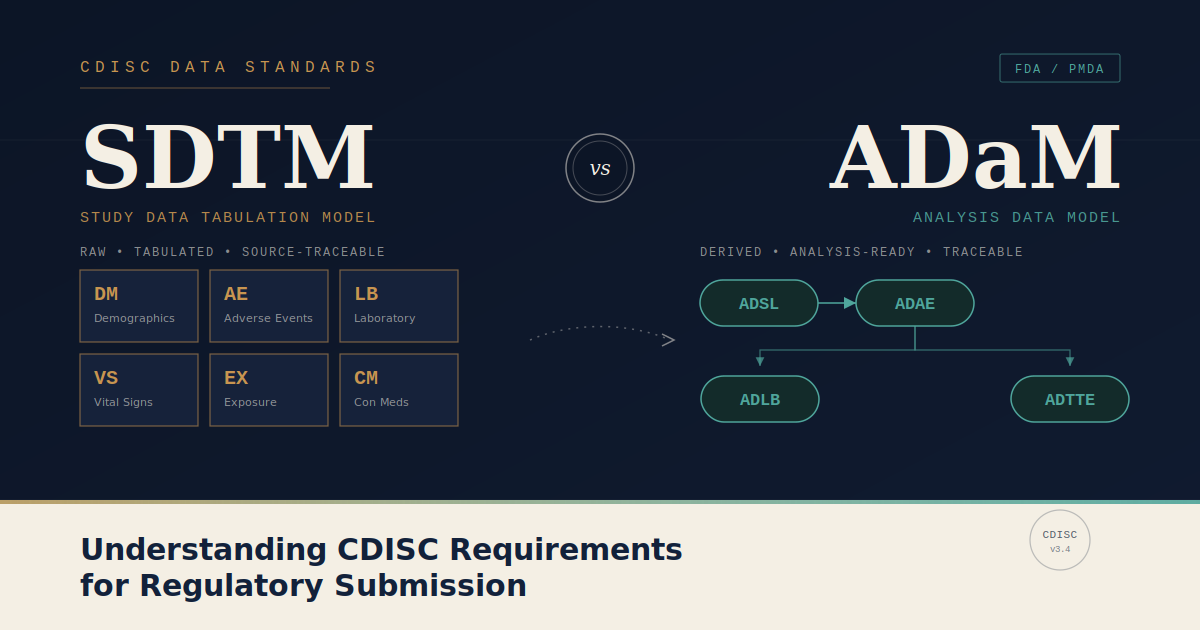
SDTM vs ADaM: Understanding CDISC Requirements for Regulatory Submission
- July 8, 2026
A sponsor submits a dataset package to the FDA, and three weeks later the review team sends back a technical rejection. Not because the drug data was wrong. Because the SDTM domains and the ADaM datasets didn’t speak the same language the agency’s reviewers expected them to speak. This happens more often than most clinical […]
Clinical Trials
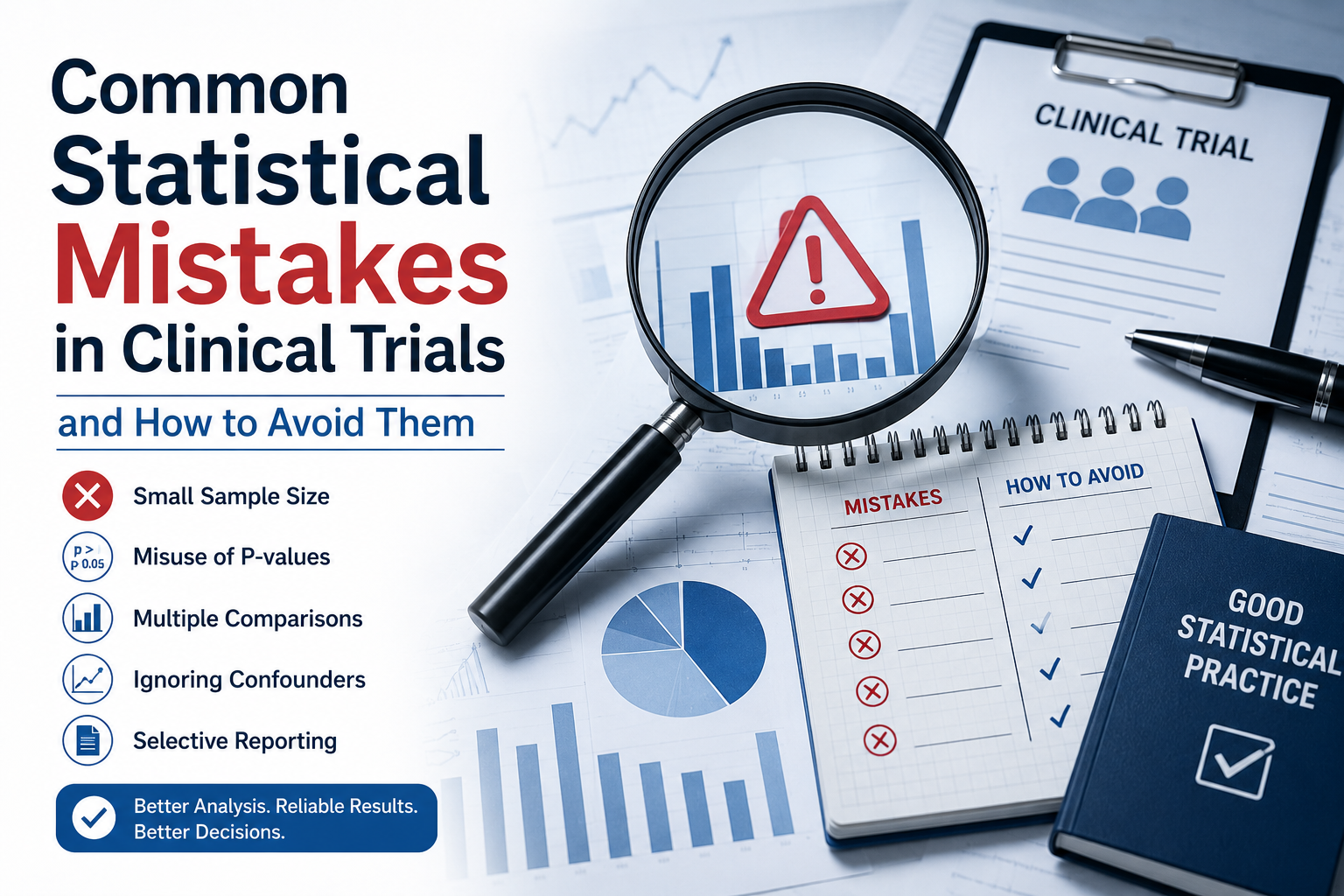
Common Statistical Mistakes in Clinical Trials and How to Avoid Them
- July 4, 2026
A clinical trial can fail for reasons that have nothing to do with the molecule, the device, or the protocol’s clinical logic – a sample size assumption from a small pilot that didn’t hold up at scale, or a Statistical Analysis Plan written to satisfy a checklist rather than answer the trial’s actual question. These […]
Data Management
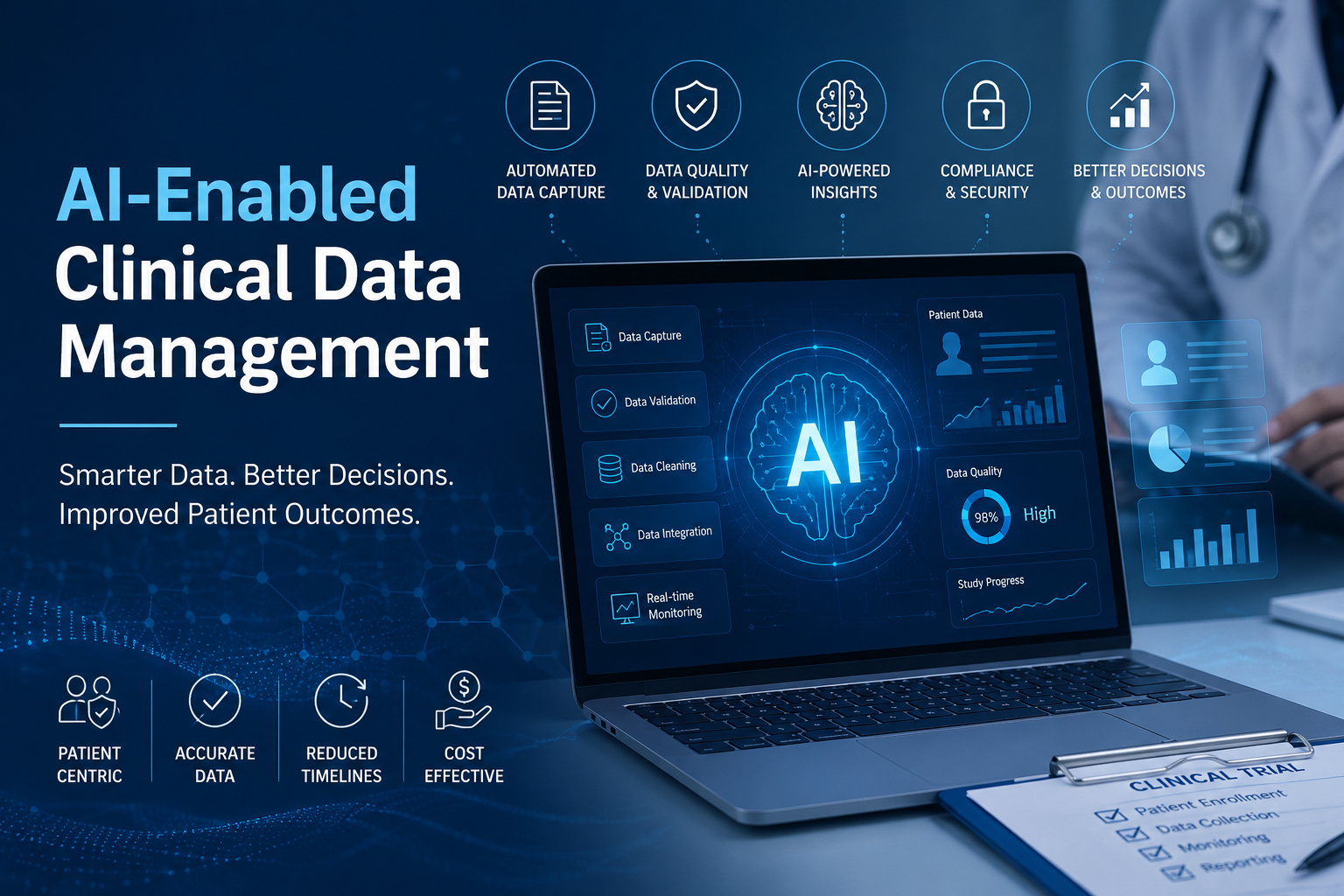
How AI-Enabled Platforms Reduce Query Resolution Time in CDM
- July 4, 2026
The data problem nobody wants to admit out loud A phase 3 trial today generates roughly four times the data points it did in 2012 – from just under a million to well over 3.5 million in a typical study, according to Tufts Center for the Study of Drug Development. Your data management team hasn’t […]

Biometrics
Why Biometrics CRO India Is Growing in Global Clinical Research
- July 2, 2026
India’s clinical research sector has been building real momentum over the past decade. Not just in patient recruitment or cost advantages, but specifically in the technical and scientific backbone of trials: biometrics. Global sponsors are paying attention, and the shift is more deliberate than it looks from the outside. The rise of Biometrics CRO India […]
CRO
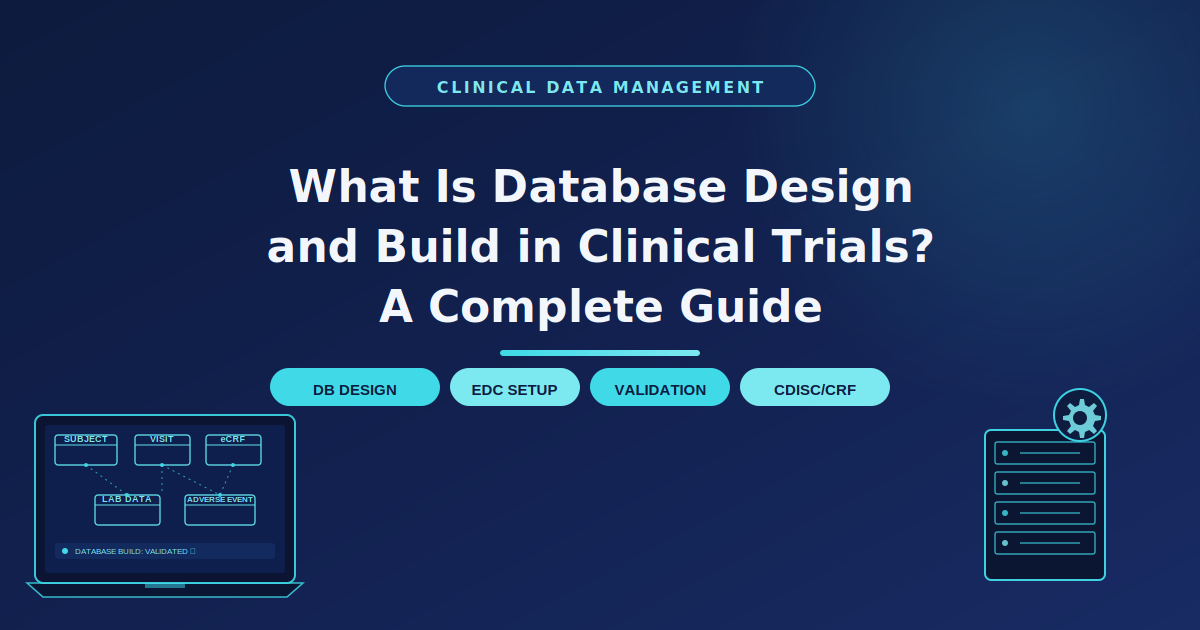
What Is Database Design and Build in Clinical Trials? A Complete Guide
- July 1, 2026
Every clinical trial tells a story about a drug, a population, or an outcome, and that story is only as credible as the data behind it. Database design and build is the process that determines how clinical data gets structured, captured, validated, and stored across a study’s life. It happens before a single patient enrolls, […]
Data Management
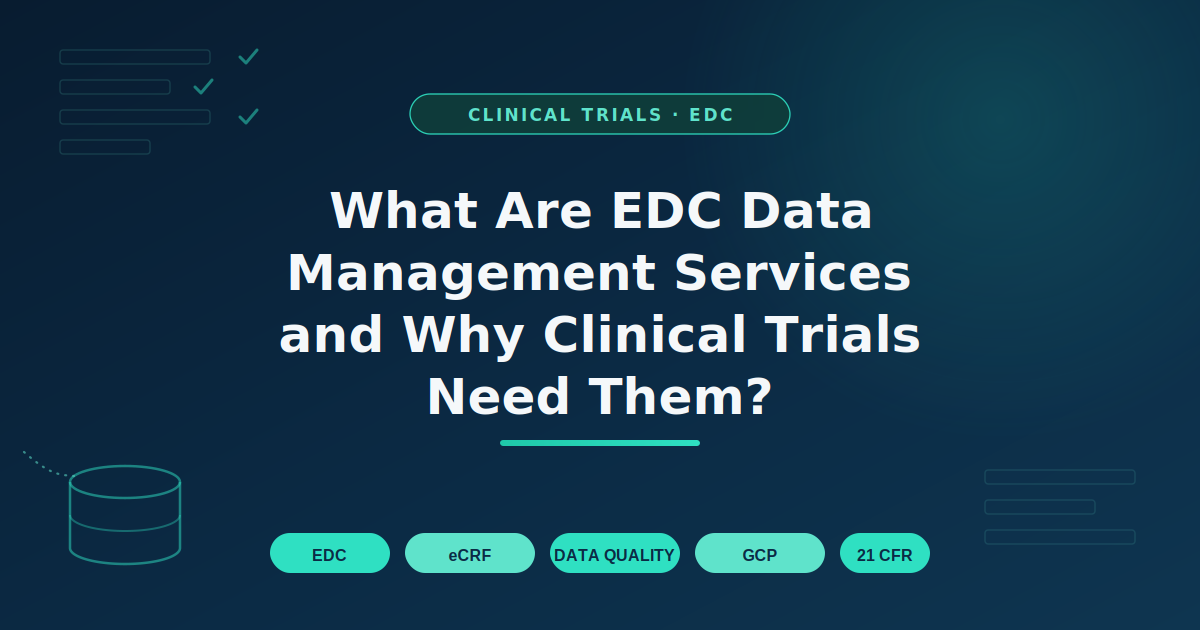
What Are EDC Data Management Services and Why Do Clinical Trials Need Them?
- July 1, 2026
Clinical trials generate enormous volumes of data — patient vitals, adverse events, lab results, concomitant medications, protocol deviations. Every data point matters. Every number that enters a database must be accurate, traceable, and audit-ready. For decades, clinical sites recorded this information on paper case report forms, and data managers spent weeks manually entering, verifying, and […]
Biometrics
Why Small Biotech Companies Choose Specialized Biometrics CROs
- June 29, 2026
You’ve signed with a full-service CRO. Six months in, your statistical programming lead has changed twice, your data management timeline has slipped behind your clinical timeline, and nobody on the biometrics side seems to know your protocol the way your medical monitor does. This is not a staffing failure. It’s a structural one. Full-service CROs […]